
Scientific Foundation for a new drug design logic
Illum is built at the intersection of nanoscale membrane biophysics, GPCR mechanism, and high-content analysis. ConfoSeq emerged from a sustained research programme at the Stamou Lab at the University of Copenhagen, focused on understanding how membrane proteins behave in living systems and on translating that nanoscale behaviour into robust, scalable measurements for drug discovery.
We believe this foundation matters because paradigm shifts become commercially relevant only when grounded in deep technical continuity.
ConfoSeq technology has been scaled up and successfully validated for class A and class B targets in cooperation with leading Pharmaceutical companies.
Selected publications
-
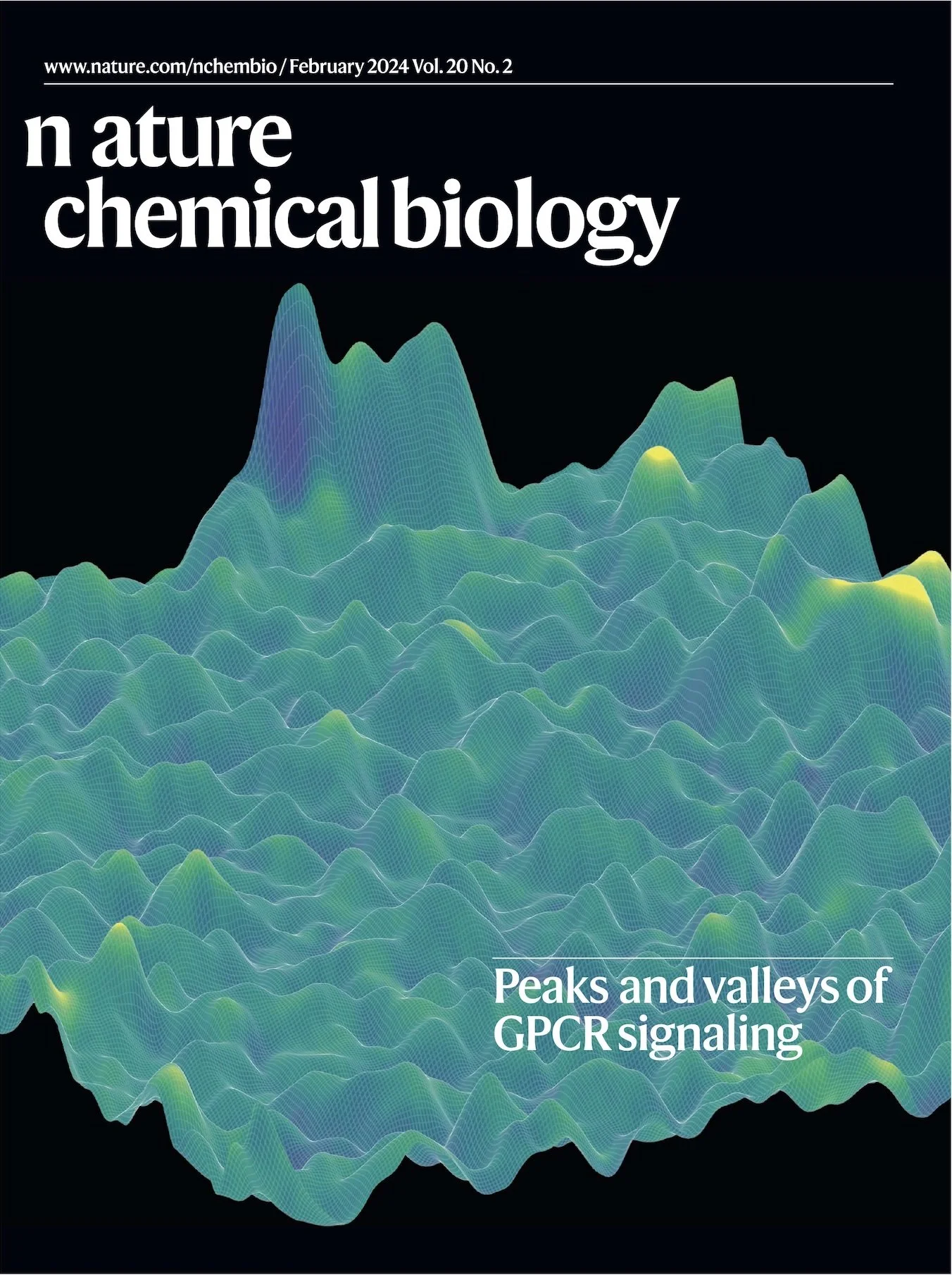
Molecular mechanism of GPCR spatial organization at the plasma membrane
G. Kockelkoren, L. Lauritsen, et al., and D. Stamou. Nature Chemical Biology, Front Cover Page, 2024. 20: p. 142–150
This study addresses how GPCRs are organised at the plasma membrane and why receptor behaviour must be understood in situ, not only through simplified endpoint models.
-
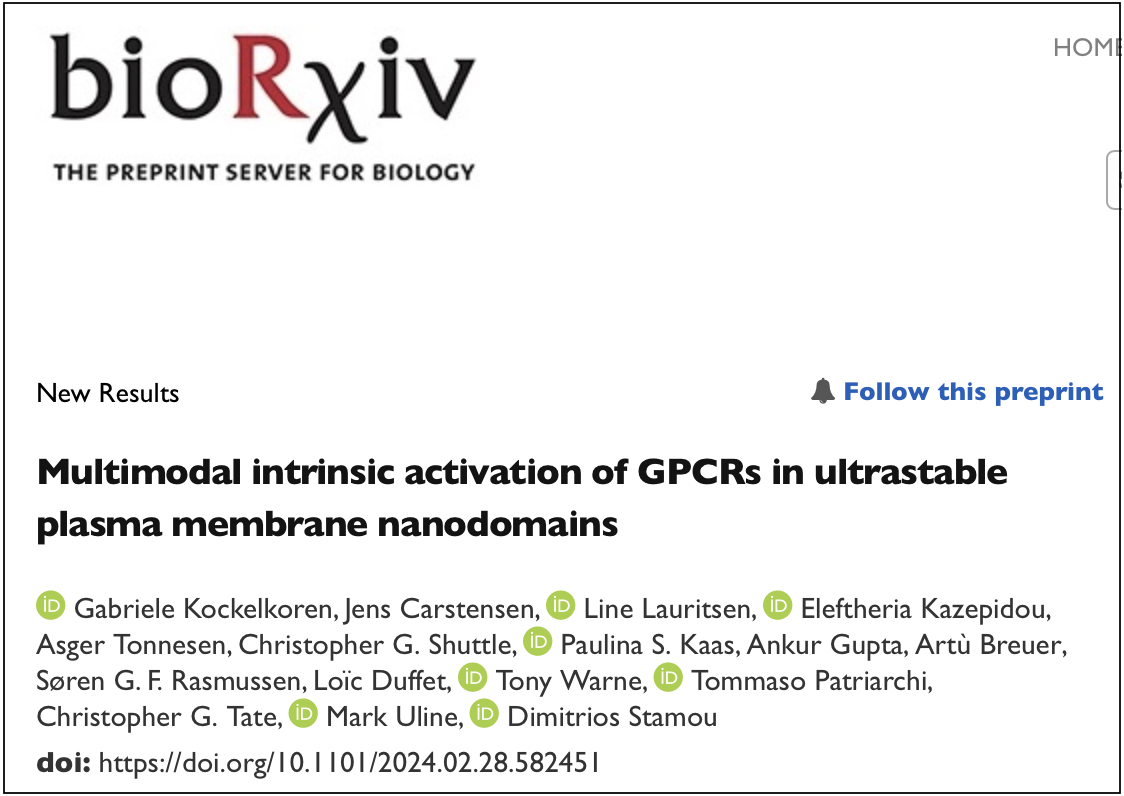
Multimodal intrinsic activation of GPCRs in ultrastable plasma membrane nanodomains
G. Kockelkoren, et al., and D. Stamou. Biorxiv Full text
This work is the closest public view into the conceptual direction behind ConfoSeq. It advances the study of GPCR activation in highly controlled membrane environments and points toward a state-resolved understanding of receptor pharmacology.
-
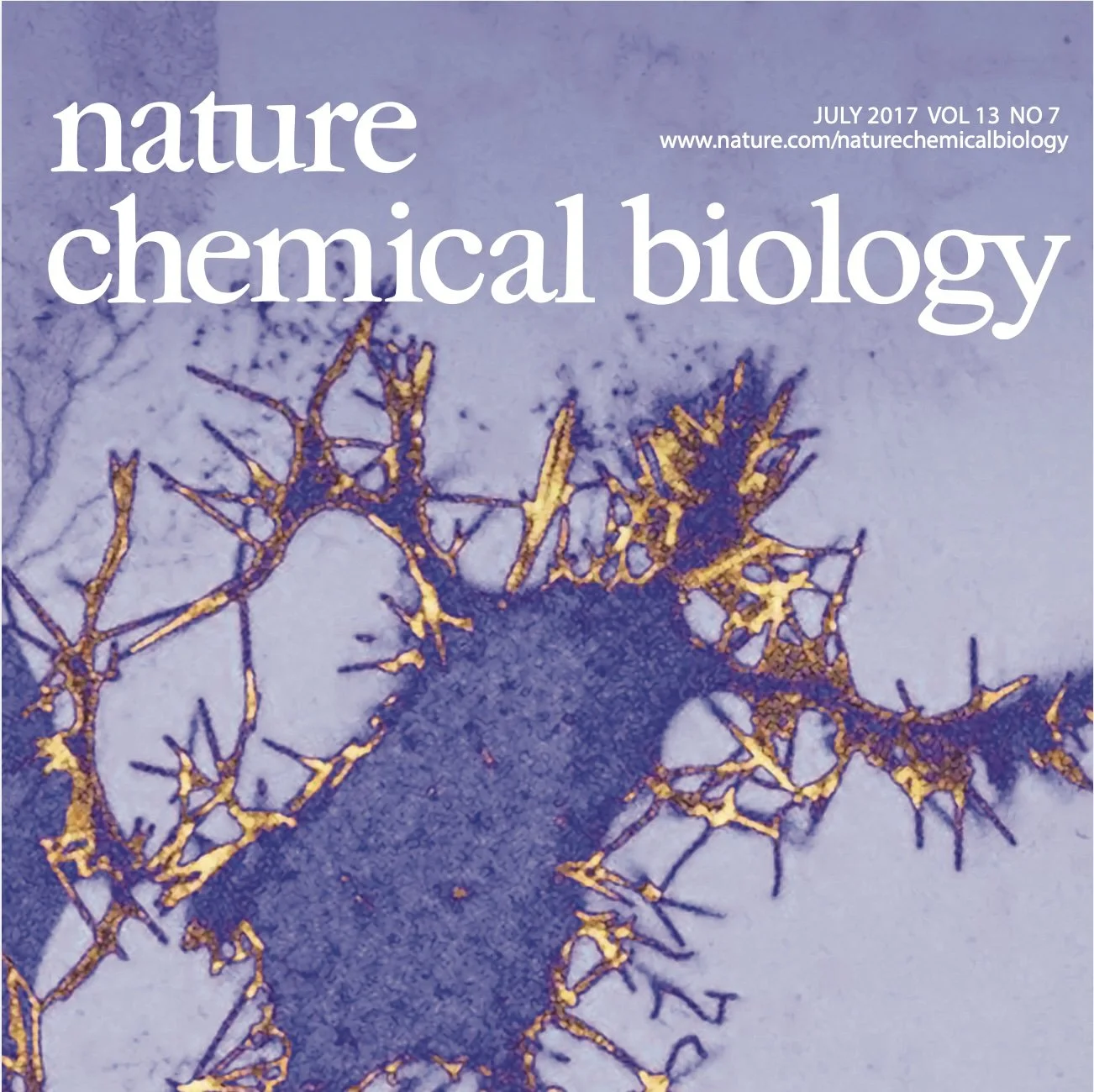
Membrane curvature regulates ligand-specific membrane sorting of GPCRs in living cells
K.R. Rosholm, et al., and D. Stamou. Nature Chemical Biology, Front Cover Page, 2017. 13: p. 724-729
This publication shows that physical membrane context shapes ligand-specific GPCR behaviour in living cells, reinforcing the importance of measuring pharmacology in the environment where signalling actually occurs.
-
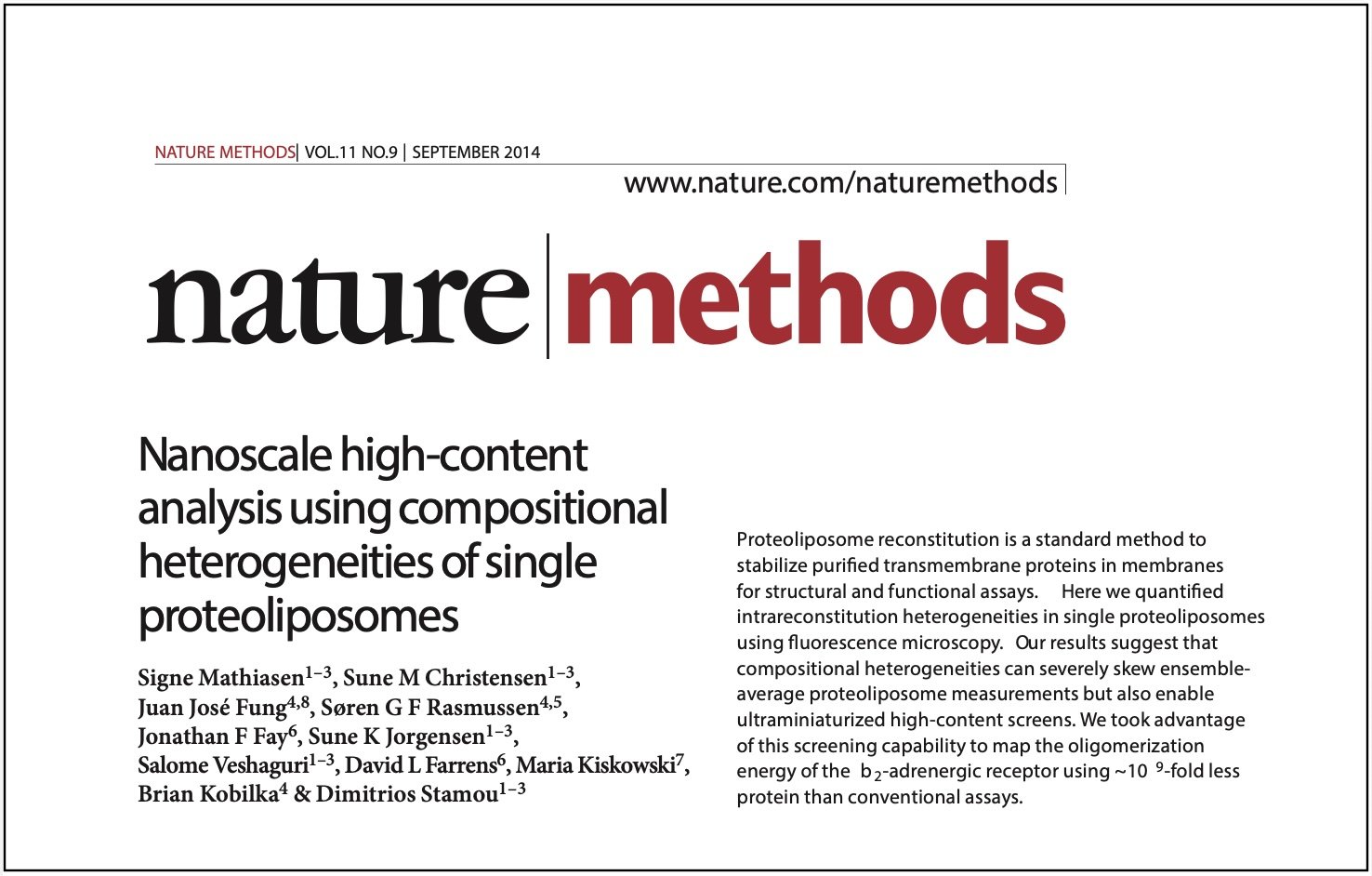
Nanoscale high content analysis using compositional heterogeneities of single proteoliposomes
S. Mathiasen, et al., and D. Stamou. Nature Methods, 2014. 11 (9): p. 931-934
This work established an early high-content nanoscale analytical foundation that informs Illum’s broader measurement philosophy: rich mechanistic information can be extracted at scale when the assay architecture is designed correctly.